top of page

total/Partial
knee replacement
advanced care.
lasting relief.
A faster return to the life you love.
A more natural approach to knee replacement
With robotic-assisted, kinematic alignment, we move beyond a one-size-fits-all philosophy and instead restore your knee to its natural, pre-arthritic alignment—using advanced technology to enhance precision at every step. Often resulting in a more natural feel after surgery.

joint replacement expertise
Specialized experience focused on hip and knee replacement.

a more natural-feeling knee
Personalized alignment designed around your unique anatomy.

robotic precision
Advanced technology for accurate, individualized knee replacement.

faster, more comfortable recovery
Modern techniques designed to get you moving sooner.

Personalized care
Unhurried visits, direct communication, and care centered around you.
Total/partial
knee replacement
advanced care.
lasting relief.
A faster return to the life you love.

revision total knee replacement
restoring stability. relieving pain.
Renewing your life.

Specialized solutions for failed knee replacements to improve function, restore confidence, and help you get back to what you love.
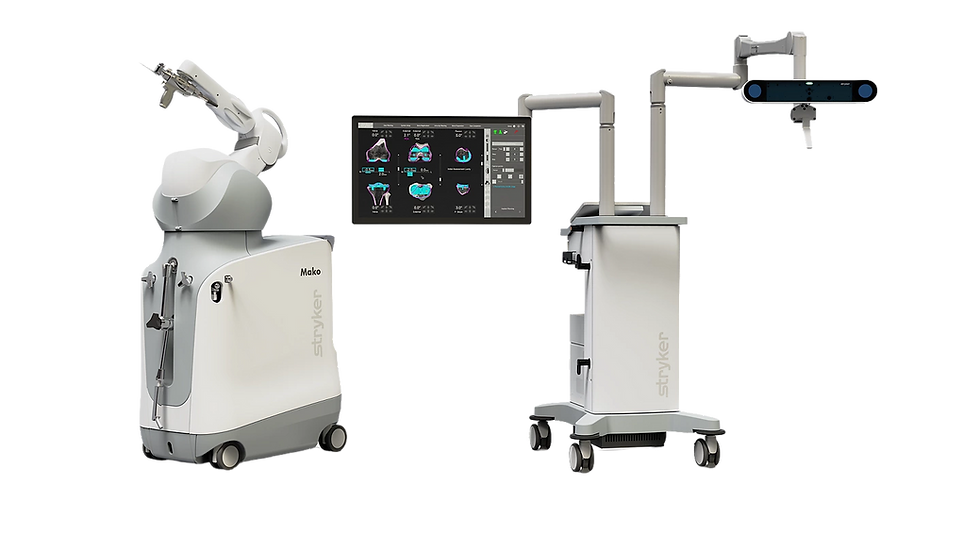
mako smartrobotics™
advanced technology to enhance precision at every step.
.png)
Frequently Asked Questions
How do I know if I need a knee replacement?
Knee replacement may be recommended when arthritis causes persistent pain, stiffness, swelling, or loss of function that interferes with daily activities. If medications, injections, physical therapy, and other conservative treatments no longer provide relief, knee replacement may be the best option.
What causes knee arthritis?
The most common cause is osteoarthritis, which occurs when the cartilage in the knee gradually wears away over time. Arthritis can also result from previous injuries, inflammatory conditions such as rheumatoid arthritis, or abnormal joint alignment.
How painful is knee replacement surgery?
Modern pain management techniques have significantly improved the recovery experience. While some discomfort is expected after surgery, most patients find that the pain from recovery is temporary and far less limiting than the chronic pain they experienced from arthritis.
What are the benefits of robotic-assisted knee replacement?
Robotic technology allows for highly precise implant positioning and alignment based on your unique anatomy. This can help improve accuracy, restore a more natural-feeling knee, and potentially improve function and patient satisfaction.
How long does it take to recover from knee replacement?
Most patients begin walking the day of surgery and return home the same day or the next day. Many patients resume normal daily activities within 4 to 6 weeks, although strength and function continue to improve for several months.
How long will my knee replacement last?
Today’s knee replacements are designed to be durable and long-lasting. More than 90% of knee replacements are still functioning well 15 to 20 years after surgery, and many continue to perform successfully for even longer.
When can I drive after knee replacement?
Most patients can return to driving within 2 to 6 weeks after surgery, depending on which knee was replaced, pain medication use, reaction time, and overall recovery progress.
Will I be able to return to an active lifestyle?
Yes. Most patients return to walking, golf, cycling, swimming, travel, pickleball, and many other low-impact activities. The goal of knee replacement is to relieve pain and help patients regain an active lifestyle.
What are the risks of knee replacement surgery?
As with any surgery, there are risks including infection, blood clots, stiffness, persistent pain, implant loosening, nerve or blood vessel injury, and the need for future revision surgery. Fortunately, serious complications are uncommon, and every effort is made to minimize risk through careful planning and patient optimization.
What can I do to improve my outcome after surgery?
Patients who achieve the best results are often those who actively participate in their recovery. Maintaining a healthy weight, controlling diabetes, stopping smoking, improving nutrition, and following physical therapy recommendations can all contribute to a smoother recovery and better long-term outcome.
Bonus Question: Am I too old or too young for knee replacement?
There is no perfect age for knee replacement. The decision is based on your symptoms, level of disability, overall health, and quality of life rather than age alone. Many patients in their 50s, 60s, 70s, and even 80s experience excellent outcomes after knee replacement surgery.
bottom of page