Complex Joint Revision Surgeon in Overland Park: A Patient’s Guide

What if the most important step after a painful or unstable joint replacement isn’t deciding on another surgery, but understanding why the joint isn’t working as expected? If you search “complex joint revision surgeon Overland Park,” you’re likely looking for more than a procedure. You need a careful evaluation, clear explanations, and a plan shaped around your needs.
It’s understandable to feel uncertain. Pain, looseness, swelling, or limited function can have different causes, and revision surgery is a consequential decision. A thoughtful assessment may consider your symptoms, medical and surgical history, physical examination, imaging, and, when appropriate, tests for infection. The goal is to clarify what may be happening and discuss the options available to you.
This guide explains what complex hip and knee revision can involve, what to consider when comparing surgeon-care factors, and how to prepare for a consultation in the Overland Park area. Swope Joint Replacement provides hip and knee revision care through an individualized, physician-led approach with direct physician access. The practice also offers transparent cash pricing and out-of-network insurance options, so you can include financial questions in your planning.
Table of Contents
What Makes a Joint Revision Complex in Overland Park?
A revision joint replacement is surgery to address or replace a previous hip or knee implant. It may involve correcting a problem with the existing implant or replacing some or all of it. Ongoing pain or a change in how your joint feels doesn’t automatically mean revision surgery is needed. A careful evaluation helps identify possible causes and determine whether surgery, another treatment, or continued monitoring makes sense.
If you’re looking for a complex joint revision surgeon overland park, it helps to know that “complex” isn’t a single diagnosis or a universal threshold. The term describes cases where the cause of the problem, prior procedures, bone condition, anatomy, or other personal health factors may make assessment and planning more involved. The broader term Arthroplasty refers to surgery that restores or replaces a joint, including joint replacement.
Why might a hip or knee replacement need reassessment?
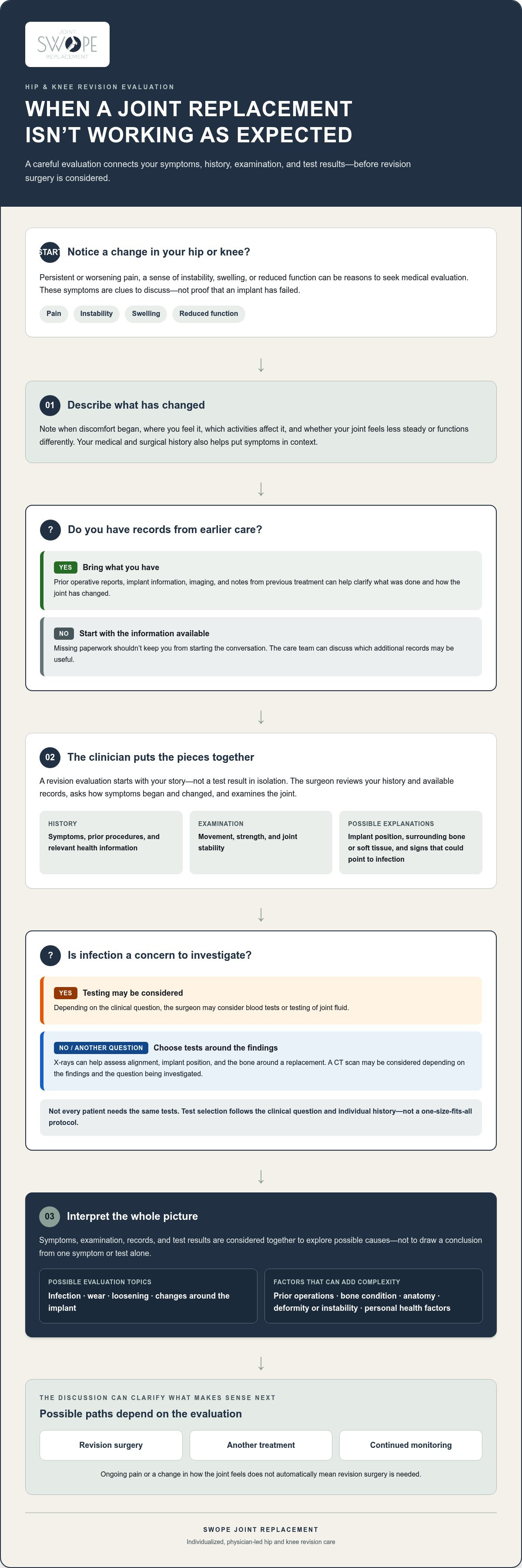
Persistent or worsening pain, a sense of instability, swelling, or reduced function can be reasons to seek medical evaluation. These are clues to discuss, not proof that an implant has failed. Similar symptoms can arise from different issues, so a clinician considers your full history and examination rather than drawing conclusions from one symptom alone.
Possible evaluation topics include infection, wear, loosening, or changes in the structures around the implant. The timing and pattern of symptoms can help guide the assessment. Before your visit, note when discomfort began, where you feel it, which activities affect it, and whether your joint feels less steady than before. These details help your clinician decide what additional evaluation may be appropriate.
What does complex revision mean for the patient?
Planning can be more involved if you’ve had previous operations, the bone around an implant has changed, or the joint has deformity or instability. Earlier procedures may affect the anatomy and the information available for review. Individual health factors also matter. Your plan should reflect these circumstances, not just the name of the procedure.
Complex revision is a personalized assessment and plan for addressing a problem with a previous joint replacement, shaped by its cause, prior surgery, bone condition, and your individual needs.
Prior operative reports, implant information, and earlier imaging can help clarify what was done and how the joint has changed over time. Bring what you have to your consultation. Missing records don’t define your options, but available information can support a more complete discussion. A complex joint revision surgeon in Overland Park can review your concerns and explain what the findings may mean before you consider next steps.
How a Revision Surgeon Evaluates a Failing Joint Replacement
A careful revision evaluation starts with your story, not a test result in isolation. The surgeon reviews your medical and surgical history, asks how your symptoms began and changed, examines the joint, and considers available records. Connecting these details helps interpret what imaging or other tests may show.
During the discussion, describe where you feel pain, what activities affect it, and whether you’ve noticed changes in stability or function. The examination may assess movement, strength, and joint stability. The clinician then considers possible explanations, including implant position, changes in surrounding bone or soft tissues, and signs that could point to infection. These are questions to investigate, not conclusions based on symptoms alone.
What information should patients bring to an evaluation?
Bring any records you have, such as prior operative reports, implant information, imaging, and notes from previous treatment. A current medication list and relevant medical history can also help the surgeon understand your circumstances. Before the visit, write a short timeline of when symptoms began, how they’ve changed, and what treatments you’ve tried.
Missing paperwork shouldn’t keep you from starting the conversation. The information you can provide may still help frame your concerns, and the care team can discuss what additional records could be useful.
How do imaging and other tests inform revision planning?
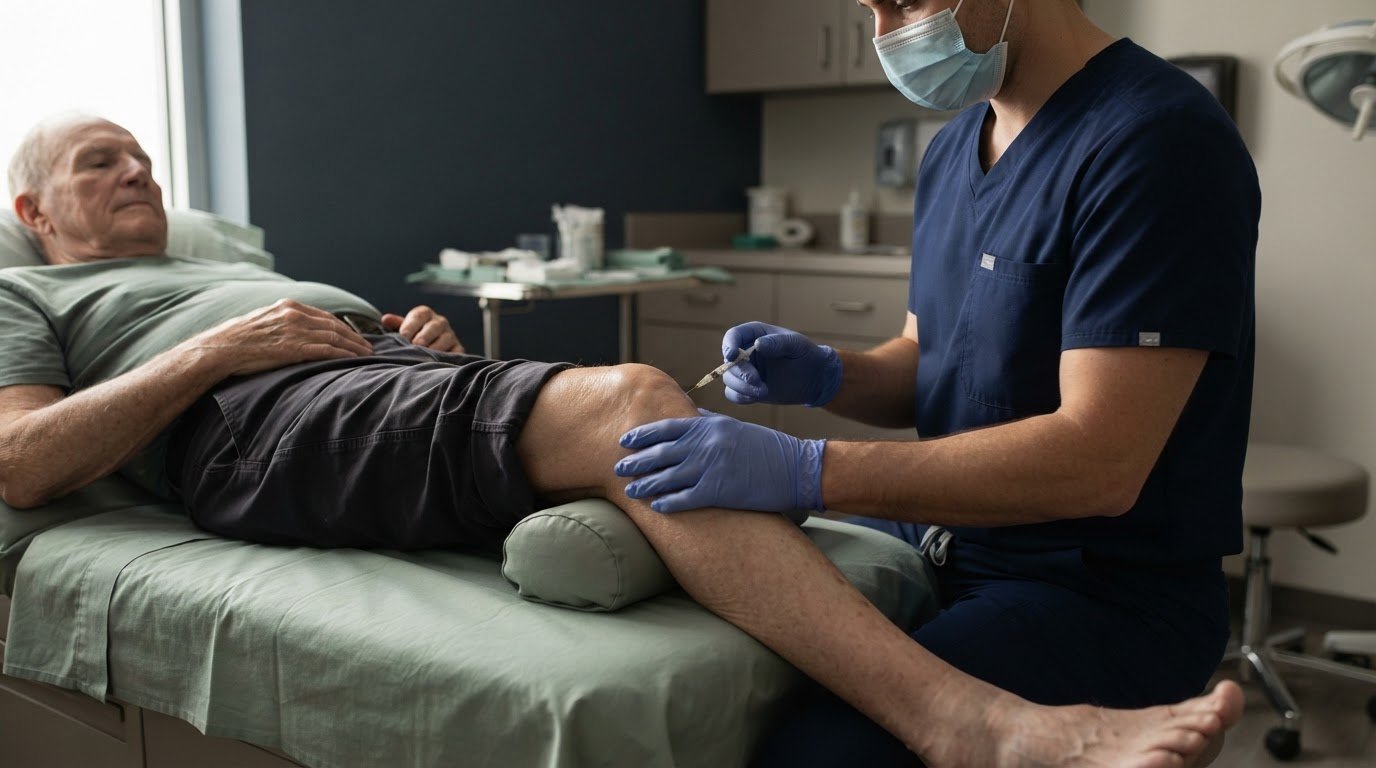
X-rays can help assess alignment, implant position, and the bone around a replacement. Depending on the findings and the question being investigated, a surgeon may consider additional imaging, such as a CT scan, or laboratory testing. If infection is a concern, blood tests or joint fluid testing may be considered. Not every patient needs the same tests.
Test selection should follow the clinical question and your individual history, not a one-size-fits-all protocol. Results are considered alongside your symptoms, examination, and prior records. For additional context on care for complex reconstruction cases, the Hospital for Special Surgery Complex Joint Reconstruction Center describes a dedicated approach to complex joint reconstruction.
If you’re searching for a complex joint revision surgeon overland park, a physician-led discussion can help bring the pieces together. Swope Joint Replacement provides individualized evaluations and direct physician access for patients with hip or knee concerns. Learn more about revision joint care in Overland Park.
How to Compare Complex Joint Revision Surgeons in Overland Park
Choosing a surgeon for another major procedure deserves careful thought. Look beyond a title or convenient location. Consider whether the surgeon’s practice includes hip and knee revision care, how the evaluation is tailored to your situation, how directly you can discuss clinical questions with the physician, and whether financial arrangements are explained plainly.
Use the comparison below to organize your priorities. It’s a framework for understanding the care experience, not a substitute for discussing your diagnosis and options.
Which questions help assess a surgeon’s revision approach?
Bring questions that help you understand the reasoning behind a proposed plan. For example: “What possible causes are you considering?” “What information will guide the next step?” “Could non-operative care be appropriate, or are surgical options worth discussing?” You can also ask how the surgeon will explain uncertainty, potential benefits and risks, and alternatives. Clear answers should connect the recommendation to your findings and personal priorities, rather than rely on broad promises.
Credentials and relevant experience are useful facts to understand, but they’re different from promotional language or guarantees. No claim can ensure a particular result. Notice whether the surgeon explains what is known, what remains uncertain, and why a recommendation fits your case.
How should patients compare care access and financial arrangements?
Before making a decision, understand how clinical questions reach the physician and what role the physician has in your care discussions. Ask for a clear explanation of cash pricing, out-of-network benefits, and billing expectations. Insurance benefits depend on your plan, so review the details before relying on reimbursement. A nearby office can make visits easier, but convenience should support, not replace, a thoughtful clinical fit and informed conversation. When choosing a complex joint revision surgeon overland park, clarity about both care and costs can help you make a considered choice.
Preparing for a Revision Joint Replacement Consultation
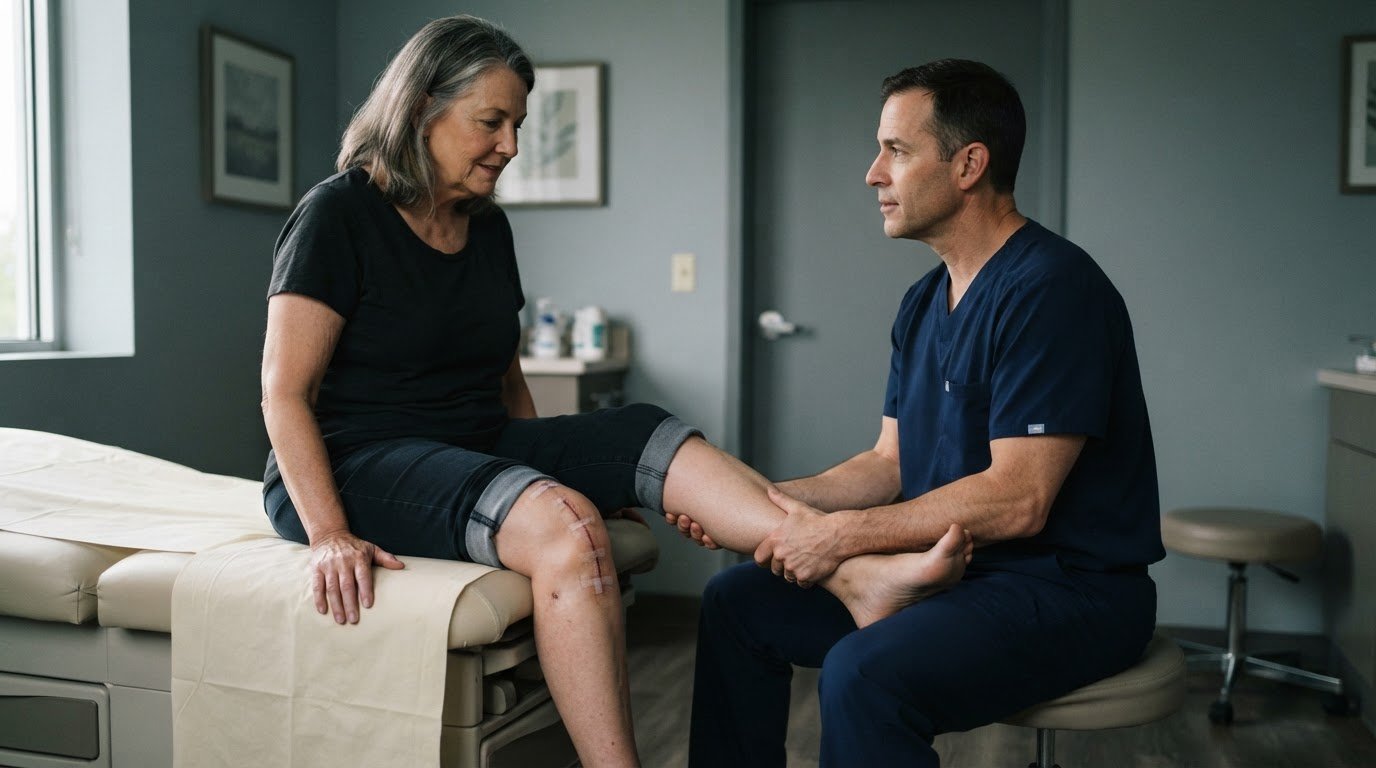
A consultation is a chance to understand your situation and make a decision with your surgeon. It doesn’t obligate you to have surgery. Arriving with key records and questions can help you use the time well, especially when discussing another major procedure with a complex joint revision surgeon overland park.
Gather what you can. You don’t need a perfect file for an initial conversation, and missing records shouldn’t stop you from raising your concerns.
Records: Bring prior operative reports, implant information, imaging, and relevant notes from previous care, if available.
Symptom history: Write a brief timeline of when symptoms began, what has changed, and which activities affect them.
Medications: List your current medications and supplements, including how you take them.
Personal priorities: Note the activities or daily tasks you most want to discuss, along with concerns about treatment or recovery.
What should patients ask before deciding on revision surgery?
Ask which findings support the working diagnosis and what remains uncertain. You can also ask what reasonable non-operative or surgical options may fit your case, what goals each option is intended to address, and what risks are specific to your health and circumstances. If surgery is being considered, discuss what recovery support, follow-up, and planning could involve for your needs. Clear answers should help you understand the reasoning, not pressure you toward a decision.
How can patients make the consultation more useful?
Bring a support person if that would help you listen, take notes, or remember questions. Ask for plain-language explanations of unfamiliar terms, tests, or recommendations, and pause the conversation when something isn’t clear. A second opinion is also reasonable if you’d like another perspective before making a major decision.
If you’re coming from elsewhere in the Kansas City area, consider practical details around attending appointments and arranging support for any care that may follow. Keep your notes and questions together so you can refer to them during the visit and afterward. The aim is a conversation that reflects your health, daily life, and priorities.
Swope Joint Replacement provides hip and knee revision care in Overland Park through a concierge orthopaedic model with direct physician access. Arrange a revision joint consultation to discuss your concerns and questions with the physician.
Revision Joint Care with Swope Joint Replacement in Overland Park
When a previous hip or knee replacement is causing concern, a useful next step is a conversation centered on your symptoms, history, and priorities. Swope Joint Replacement provides revision hip and knee surgery in Overland Park through a concierge orthopaedic model. Direct physician access and an individualized evaluation support a focused discussion of your care.
If you’re looking for a complex joint revision surgeon overland park, an initial discussion can help you understand what may be contributing to your symptoms and what options could be considered. Recommendations depend on your evaluation and clinical findings. Surgery isn’t assumed, and the discussion can clarify what further information or next steps may be appropriate.
What can patients expect from a physician-led revision discussion?
You’ll have the opportunity to describe what has changed, share relevant medical and surgical history, and raise questions about your hip or knee. The physician can review available records and findings with you, explain what they may indicate, and discuss areas that remain uncertain. This individualized conversation connects clinical considerations with the activities and concerns that matter to you.
There is no one recommendation for every patient. Any discussion of treatment, including whether revision surgery is appropriate, depends on the details of your case. The aim is to support an informed decision without guaranteeing a particular approach, recovery, or outcome.
What are the next steps for Kansas City-area patients?
If you’re considering a revision evaluation, arrange a consultation with Swope Joint Replacement to discuss your hip or knee concerns. Bringing prior records, a medication list, and questions can help you make the most of the conversation. For additional background, read the revision joint replacement guide or learn more about concierge orthopaedic care in Overland Park.
Financial clarity is part of planning, too. Swope Joint Replacement offers transparent cash pricing and out-of-network insurance options. The practice operates outside in-network insurance arrangements and does not provide in-network billing. Understanding these arrangements can help you consider the financial side alongside your clinical questions.
Patients from Overland Park and nearby communities, including Kansas City, Olathe, Lees Summit, Lenexa, Leawood, Blue Springs, and Independence, can discuss revision care with Swope Joint Replacement in Overland Park.
Take the Next Step With Clarity
A thoughtful revision decision begins with understanding what may be causing your symptoms. A careful evaluation considers your history, examination, records, and any appropriate testing. You can also compare how clearly a surgeon explains the findings, options, and financial arrangements before deciding what feels right for you.
If you’re seeking a complex joint revision surgeon overland park, Swope Joint Replacement provides hip and knee revision surgery through a personalized concierge orthopaedic model with direct physician access. The practice offers transparent cash pricing and out-of-network insurance options, so you can include financial questions in your planning.
You don’t have to make a decision about surgery before asking questions. Schedule a consultation to discuss your revision joint concerns and explore what an individualized evaluation may involve. A clear conversation can help you move forward at your own pace and with greater confidence.
Frequently Asked Questions
What is complex joint revision surgery?
Complex joint revision surgery addresses or replaces part or all of a previous hip or knee implant when an evaluation identifies a problem that may need surgical treatment. Planning can be more involved because of the reason for symptoms, prior operations, changes in the surrounding bone, or individual health factors. “Complex” describes the considerations in a particular case, not a universal threshold or a guarantee that surgery is necessary.
When should I see a revision joint replacement surgeon?
Consider an evaluation if pain, instability, swelling, or reduced function persists, worsens, or concerns you after a hip or knee replacement. These symptoms don’t prove that an implant has failed, but they’re worth discussing with a clinician who can review your history and examine the joint. Seek urgent medical care for severe or rapidly worsening symptoms, or if you feel acutely unwell.
Can a painful hip or knee replacement improve without revision surgery?
Yes, some symptoms may be managed without revision surgery, depending on their cause and your individual evaluation. A surgeon may discuss non-operative care or further assessment before recommending an operation. Pain alone doesn’t determine the right treatment. Ask what the findings suggest, which options may fit your circumstances, and how each approach relates to your goals and daily activities.
How does a surgeon determine why a joint replacement is failing?
A surgeon considers your medical and surgical history, symptom pattern, physical examination, prior records, and relevant test results. X-rays may help assess implant position, alignment, and surrounding bone. Depending on the clinical question, additional imaging or laboratory tests may be considered. The evaluation may look for concerns such as infection, loosening, wear, or changes in surrounding tissues, but no single test or symptom tells the whole story.
What should I bring to a revision surgery consultation?
Bring prior operative reports, implant information, imaging, relevant medical records, and a current medication list if you have them. A short timeline of your symptoms, previous treatments, and changes in function can help guide the conversation. Write down questions about the suspected diagnosis, alternatives, risks, recovery planning, and follow-up. Missing records shouldn’t prevent you from starting a discussion about your concerns.
How do I choose a revision joint replacement surgeon in Overland Park?
Look for a surgeon who evaluates hip and knee revision concerns and explains the suspected cause, supporting findings, uncertainties, and reasonable options in clear language. Ask how you’ll communicate with the physician and how financial arrangements work. When choosing a complex joint revision surgeon overland park, prioritize individualized discussion and transparent expectations over promises of a specific result. These considerations can help patients across Overland Park and the Kansas City area make a thoughtful choice.
Does Swope Joint Replacement accept in-network insurance?
No. Swope Joint Replacement operates outside in-network insurance arrangements and does not provide in-network billing. The practice offers out-of-network insurance options and transparent cash pricing. Before making financial decisions, review your plan’s out-of-network benefits and understand what you may be responsible for. Swope Joint Replacement provides orthopaedic care in Overland Park for patients in the wider area, including Olathe, Lees Summit, Lenexa, Leawood, Blue Springs, and Independence.

Comments