Concierge Orthopedic Care in Lee's Summit: What to Expect

Concierge orthopedics is about more than a label; it describes a more personalized approach to access, communication, and care decisions. A concierge orthopedic doctor in Lee's Summit focuses on understanding your concerns and helping you make informed choices about your musculoskeletal health. The goal is a care experience that feels attentive and clear.
It’s reasonable to want to know what happens at an appointment, how follow-up works, and whether your problem may need surgery. Orthopedic care can address joint pain, musculoskeletal conditions, and injuries, with treatment tailored to the problem and your needs. Surgery is one option, not the automatic starting point.
This guide explains concierge orthopedics, the conditions and injuries it can address, and what to expect from appointments and communication. It also covers how joint care may involve non-operative treatment, replacement or revision surgery, and recovery planning. You’ll have a clearer sense of how personalized care can support decisions about your treatment.
Table of Contents
Joint preservation and replacement
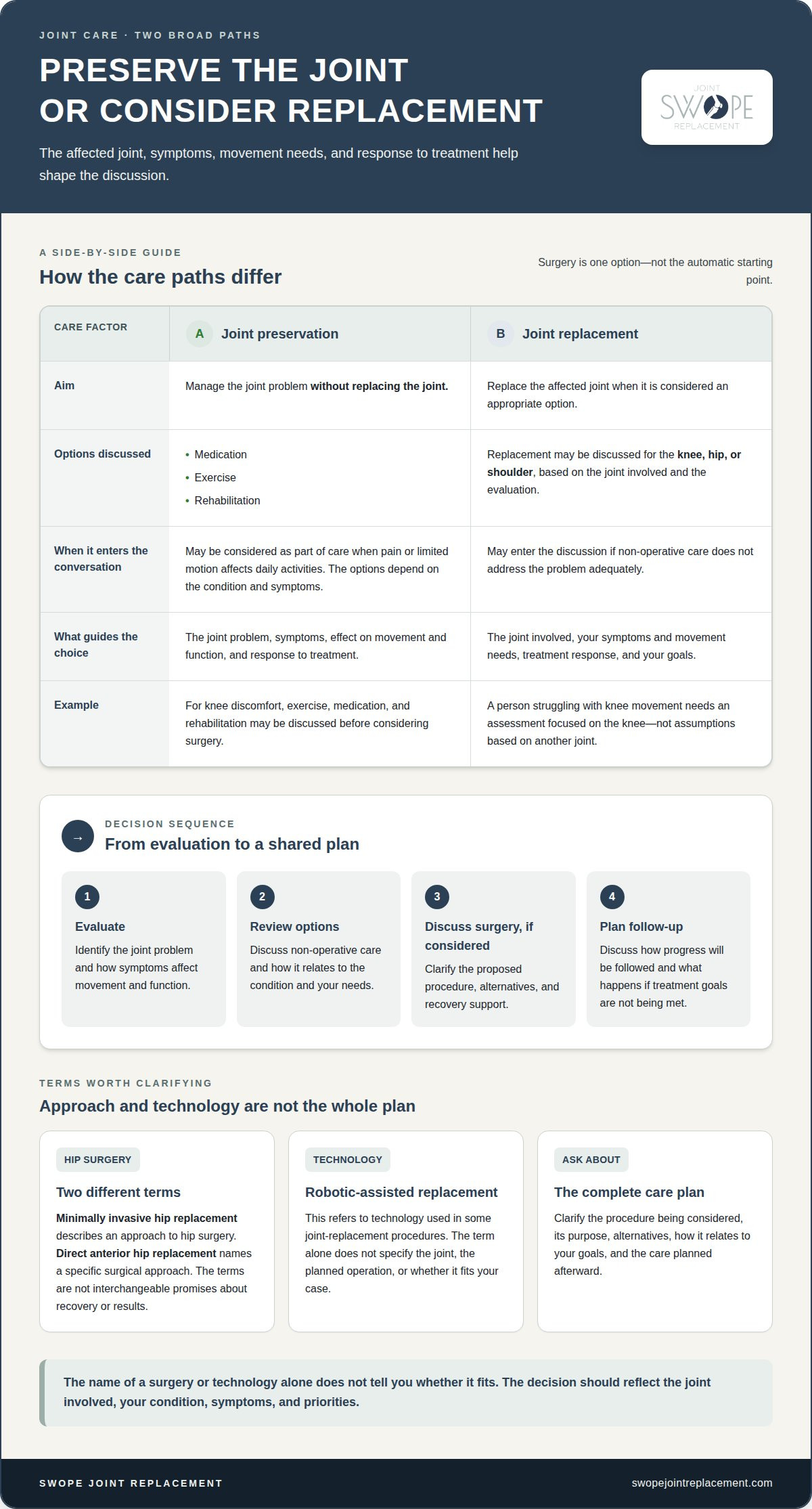
Joint care can follow two broad paths: preserve the joint or replace it. Preservation may involve non-operative treatment, such as medication, exercise, or rehabilitation. These options can matter when pain or limited motion interferes with daily activities, but surgery isn’t automatically the first step. Your condition, symptoms, and response to treatment help shape the discussion.
Preserving a joint means managing the problem without replacing it. For example, someone with knee discomfort may discuss exercise, medication, and rehabilitation before considering surgery. The physician evaluates how symptoms affect movement and function, then considers suitable options. If non-operative care does not address the problem adequately, replacement may enter the conversation. The decision should reflect your goals and the joint involved.
Knee, hip, and shoulder replacement address different joints, so the care discussion differs too. Knee replacement concerns the knee; hip replacement concerns the hip; shoulder replacement concerns the shoulder. Your affected joint, symptoms, and movement needs guide the evaluation. A person struggling with knee movement, for instance, needs an assessment focused on that joint, not assumptions drawn from another person’s hip or shoulder experience. The name of a surgery alone doesn’t tell you whether it fits.
Minimally invasive hip replacement describes an approach to hip surgery, while direct anterior hip replacement names a specific surgical approach. These terms shouldn’t be treated as interchangeable promises about recovery or results. Ask what approach is being considered and how it relates to your hip condition and goals. A clear explanation should cover the procedure, alternatives, and planned care afterward, without assuming one approach suits everyone.
Robotic-assisted joint replacement refers to technology used in some joint-replacement procedures. The phrase alone doesn’t tell you which joint is treated, what the surgeon plans, or whether the technology fits your case. In a consultation, focus on the proposed operation, its purpose, and how the plan addresses your joint. Technology is one part of a surgical plan, not a substitute for understanding the diagnosis and options.
Before deciding on replacement, clarify the steps in your care. The orthopedic evaluation identifies the joint problem and reviews non-operative options. If surgery is considered, discuss the procedure, recovery support, and how progress will be followed. Ask what happens if treatment goals aren’t being met. Whether the discussion concerns a knee, hip, or shoulder, your questions and priorities belong in the decision. Shared understanding makes the next step clearer.
Orthopedic conditions and injuries treated
Orthopedic care addresses injuries and conditions affecting the musculoskeletal system, including bones, ligaments, joints, tendons, nerves, and muscles. A fracture, for example, involves a bone, while a tendon problem affects tissue connecting muscle and bone. Because these structures work together, pain in one area can affect movement elsewhere. An evaluation considers the affected structure, your symptoms, and which movements have become difficult.
Orthopedic specialties can focus on the hand, foot, hip, knee, shoulder, spine, trauma, or sports medicine. This focus shapes the clinician’s experience and the problems they assess. A knee concern, for instance, calls for attention to that joint and its effect on walking or bending. A shoulder concern involves a different joint and movement pattern. The location of pain is a useful starting point, not the whole assessment.
Injury care depends on the tissue involved and how the injury affects function. Orthopedic physicians treat problems involving bones, ligaments, joints, tendons, nerves, and muscles. Trauma and fracture care addresses injuries such as broken bones. For someone with a fracture, the evaluation focuses on the injured area and its effect on movement. The care plan follows the problem identified rather than assuming every injury needs the same treatment.
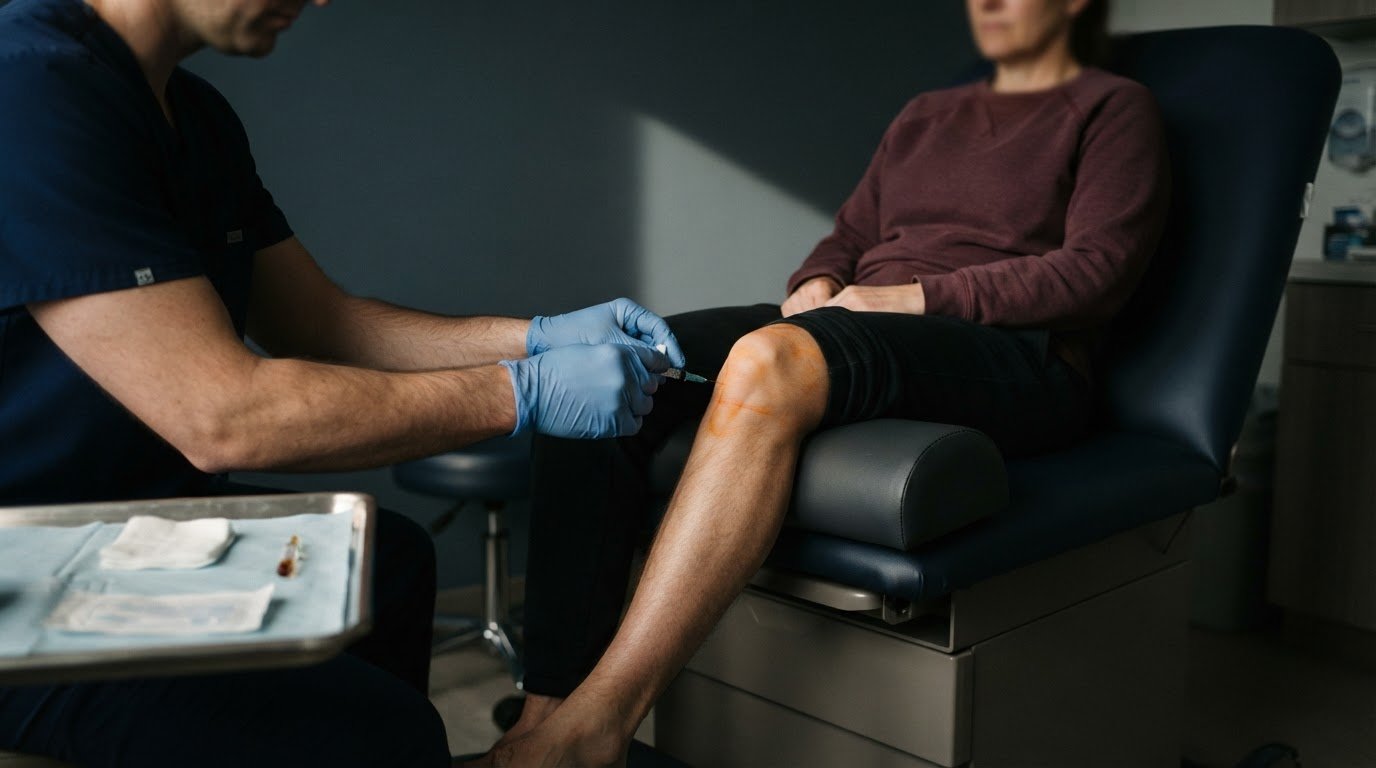
Non-surgical orthopedic treatment can include medication, exercise, injections, and rehabilitation planning. These options can address symptoms and support movement and function. For example, someone with limited knee movement may discuss exercise and rehabilitation alongside other treatment options. The appropriate plan depends on the affected body part and condition. When appropriate, care can begin with non-surgical options rather than surgery.
A treatment plan should connect each option to a clear goal, such as reducing symptoms, improving movement, or restoring function after an injury. Medication, exercise, and physical therapy serve different roles, so the physician can explain how each relates to your concern. If symptoms continue to limit daily activities, other options may be discussed. Surgery is considered when necessary, not assumed for every orthopedic problem.
For an appointment, describe the affected area, which movements are difficult, and how the problem began. These details help focus the evaluation on the relevant joint or tissue. The physician considers the condition and available treatment paths, including non-operative care or surgery when appropriate. Whether the concern involves a fracture, knee pain, or shoulder movement, the aim is to match treatment to the problem and its effect on your function.
Treatment choices should be tied to restoring movement and function. Orthopedic physicians may recommend medication, exercise, injections, rehabilitation, or surgery, depending on the condition and your goals. Ask how each proposed option relates to the problem being treated and what improvement it is intended to support. This keeps the discussion focused on your needs rather than a generic list of treatments.
What Is Concierge Orthopedics?
Concierge orthopedics combines orthopedic treatment with direct, personalized access to the physician. For people in Lee’s Summit and the greater Kansas City area, this model can shape communication, payment, and joint care before and after surgery.
Concierge Care Model
Here, concierge care means direct physician access without an added concierge fee. Some concierge orthopedic models charge annual membership fees, but Swope Joint Replacement does not charge a separate concierge fee. That distinction helps explain the care relationship without assuming that direct access requires a membership. Communication can continue through major visits and recovery milestones.
Concierge and Traditional Practice Comparisons
In Lee's Summit, concierge and traditional orthopedic practices can differ in their payment structure and communication model. The concierge approach described here offers direct physician access, while traditional concierge models may charge a membership fee. Those features don't establish differences in surgical quality or appointment timing. The practical comparison is how you communicate with the physician, how care is coordinated, and how payment is handled.
Payment Options
Swope Joint Replacement is out of network with all insurance carriers by design so it can place patient care first. The practice offers transparent cash pricing for office visits and in-office procedures, and does not provide in-network insurance billing. Understand this distinction when discussing payment for your care.
Pre- and Post-Surgical Joint Care
Joint care involves more than the operation itself. Before surgery, the orthopedic physician evaluates the joint problem and discusses treatment choices. After surgery, follow-up helps track recovery and address questions at key milestones. For athletes, follow-up calls may take place after major visits and post-operative milestones. Post-surgical care can also be coordinated with physical therapists, connecting the surgical plan with rehabilitation.
Orthopedic Care in Lee's Summit
Dr. Christopher C. Eckland practices at 2861 NE Independence Ave., Suite 201, Lee's Summit, Missouri 64064. Hand and upper-extremity care concerns areas such as the hand and arm; foot and ankle care focuses on the lower extremity. Orthopedic specialties vary, so the affected body area helps direct an evaluation. A Lee's Summit address identifies local care, but doesn't establish coverage across nearby Kansas City suburbs.
Orthopedic evaluation and surgery are distinct from urgent-care and imaging services. A practice's orthopedic care doesn't by itself establish an affiliation with an urgent-care center or imaging facility. Ask about the care pathway for your condition, including where evaluation, imaging, or surgery takes place. This distinction matters when planning treatment for a joint concern or injury.
The concierge-medicine model dates back to 1966, when physicians in Seattle established a patient-physician relationship involving an annual fee or retainer.
Arthritis and chronic joint pain
Arthritis and ongoing joint pain can affect ordinary tasks, from walking to gripping a cup. The affected joint matters: knee pain can limit bending, while hip pain can make walking uncomfortable. Describe where symptoms occur and which movements feel difficult. Those details give an orthopedic evaluation a practical starting point and connect your concerns to your daily routine.
A useful appointment discussion connects pain with function. Explain when discomfort appears, which activities it interrupts, and whether your movement has changed. For example, tell the physician if knee pain affects stairs or hip discomfort limits a usual walk. Share how long the problem has been present and what you have tried. This helps frame the assessment around your actual concerns.
Arthritis does not automatically mean joint replacement. When appropriate, orthopedic care can begin with non-operative options, including medication, exercise, injections, or rehabilitation planning. The choice depends on the joint problem and its effect on movement and function. For painful knee movement, for example, the discussion can consider non-surgical care before surgery. The goal is to understand the options, not presume one procedure fits everyone.
Keep the conversation specific. Identify the joint, the activity affected, and the change you want care to address. Someone with persistent hip discomfort might describe difficulty walking; someone with hand pain might explain trouble gripping objects. These examples clarify how symptoms affect function. The physician can then discuss treatment paths in relation to the problem, including non-operative care and surgery when necessary.
If pain continues to limit daily movement, discuss the next steps in your evaluation. Connect your symptoms with the joint being assessed and the treatment options under consideration. Ask how medication, exercise, or rehabilitation relates to your goals. If surgery is discussed, clarify why it’s being considered and which alternatives were reviewed. Clear explanations support an informed decision.
Joint replacement is one possible path for some hip or knee concerns, while non-operative treatment remains part of orthopedic care. The decision depends on the joint problem, symptoms, and effect on function, not the word “arthritis” alone. Bring concrete examples, such as difficulty bending a knee or walking comfortably. Those specifics help keep the discussion focused on your needs and available care.
Concierge-style orthopedic appointments and communication
The value of concierge-style orthopedic care is often clearest in communication. Direct physician access keeps your questions connected to decisions about your joint, treatment, and recovery. For example, if you’re weighing surgery, you can discuss your concerns with the physician guiding your care. The key is to understand how communication supports the care plan, not just how an appointment is scheduled.
An appointment begins with the problem affecting you. Explain which joint hurts, what movement feels limited, and how the issue affects a daily activity. For example, describe whether hip discomfort changes the way you walk. These specifics give the physician context for evaluating your concern and discussing next steps. A focused conversation also helps you raise the priorities that matter to your routine.
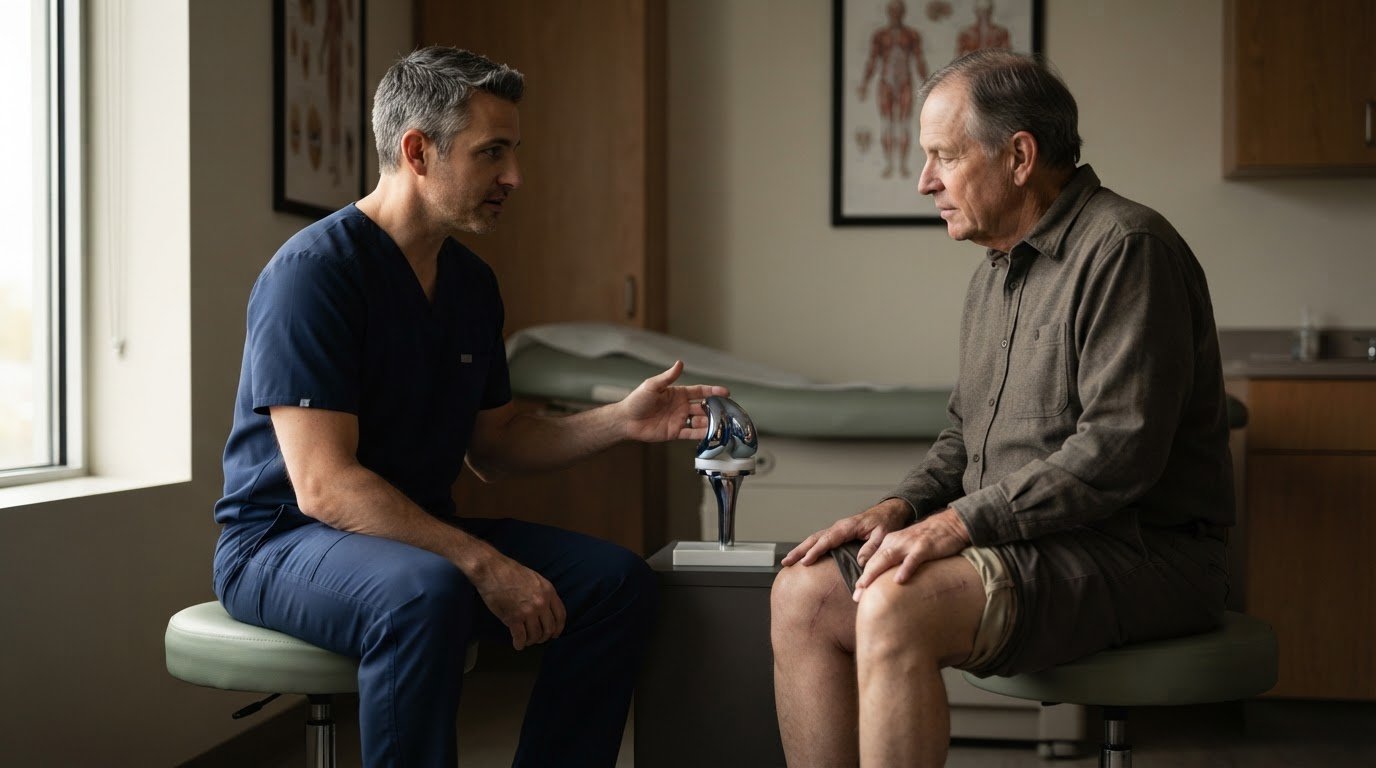
Direct access matters when a decision prompts questions. You might want to understand why surgery is being considered, what alternatives were discussed, or how the plan relates to your goals. A direct physician relationship provides a way to have those conversations. It doesn’t mean every treatment choice is simple. It means questions about your plan stay connected to the physician’s clinical guidance.
Follow-up communication can extend beyond a major visit. For athletes, follow-up calls after major visits and post-operative milestones are part of the care approach. A milestone may bring questions about progress or the next stage of recovery. A call offers an opportunity to discuss those questions in relation to the care plan, rather than treating recovery as separate from the original surgical decision.
After surgery, coordination with a physical therapist can connect medical care with rehabilitation. The physician and therapist each play a role in post-surgical care. Rehabilitation addresses movement and function as recovery proceeds, while communication between care professionals helps align those activities with the surgical plan. Ask how therapy fits your recovery and whom to contact with questions about your plan.
Before a visit, organize the points you want addressed: the affected joint, the activity that has changed, and your main treatment concern. During the conversation, ask how each proposed option relates to that concern. Before you leave, make sure you understand the next step and follow-up plan. These simple checkpoints help you stay engaged without turning the appointment into a rushed list of symptoms.
Concierge care is not defined by a promise of a particular outcome. Its practical distinction lies in direct physician access, attentive communication, and coordination around care milestones. If you’re considering joint treatment or have questions about post-surgical communication, discuss your orthopedic care and how it may fit your needs.
Swope Joint Replacement
Swope Joint Replacement offers personalized orthopedic care for people considering joint treatment. Services include Direct Anterior Hip Replacement, Robotic-Assisted Knee Replacement, Partial Knee Replacement, and revision procedures for hip or knee replacements. The practice also provides general orthopedic care and non-operative treatment, so the discussion can address whether surgery or another approach fits your needs.
Consider reaching out when hip or knee symptoms affect daily activities, or when you have questions about a previous joint replacement. Direct physician access and transparent cash pricing or out-of-network insurance options are part of the practice’s care model. A discussion can help clarify available orthopedic care and possible next steps.
For a personalized discussion about your orthopedic needs, contact Swope Joint Replacement.
Take the Next Step With Clarity
Your next decision doesn’t have to be a commitment to surgery. It can be a conversation about what’s affecting your movement, which options suit your goals, and what you want from your care. Choosing a concierge orthopedic doctor in Lee’s Summit means considering not only treatment, but also how you’ll communicate and stay involved in decisions.
For joint concerns, Swope Joint Replacement offers Direct Anterior Hip Replacement, Robotic-Assisted Knee Replacement, Partial Knee Replacement, and Revision Hip Replacement. The right discussion starts with your specific concern and the activities you want to return to. Your symptoms and evaluation help shape which treatment paths are appropriate.
If you’re ready to discuss your orthopedic needs, contact Swope Joint Replacement. You can take the next step with your questions and priorities in view, and have a thoughtful conversation about your care.
Frequently Asked Questions
What services do concierge orthopedic doctors in Lee's Summit provide?
Services include joint replacement, revision surgery, fracture care, general orthopedics, and non-operative treatment. Care for a fracture, for example, differs from evaluation of a worn or failing hip implant. Swope Joint Replacement provides focused hip and knee care, as well as fracture and general orthopedic services. The appropriate service depends on the condition and treatment plan discussed with the physician.
How much do concierge orthopedic consultations and memberships cost in Lee's Summit?
Swope Joint Replacement charges no separate concierge fee and provides transparent cash pricing for office visits and in-office procedures. Surgeries at a hospital or accredited surgical center are billed out of network. Under the No Surprises Act, insurers must apply the same deductible and cost-sharing structure as if the provider were in network. Please note we are out of network with all insurance carriers by design so we can place patient care first.
How can I book an appointment with a concierge orthopedic doctor in Lee's Summit?
Contact Swope Joint Replacement to request an appointment. Describe the concern that brings you in, such as ongoing hip pain, a knee problem, or a previous joint replacement that needs evaluation. Sharing your main concern helps focus the appointment on the questions you want addressed. Contact Swope Joint Replacement to discuss an appointment.
Which orthopedic specialties and conditions do Lee's Summit concierge doctors treat?
Orthopedic care can address hip and knee conditions, fractures, and other musculoskeletal concerns. Swope Joint Replacement focuses on hip and knee care, including primary and revision procedures, and also provides general orthopedic and fracture care. Someone with persistent knee symptoms, for example, may need an evaluation to discuss non-operative care or replacement options. The treatment discussion depends on the affected area and the problem being assessed.
Which concierge orthopedic practices serve Lee's Summit and nearby Kansas City suburbs?
Dr. Christopher C. Eckland’s orthopedic practice in Lee’s Summit is the concierge care option identified.

Comments