Private orthopedic practice in Overland Park, KS for joint care

The closest office isn’t always the best fit for joint care. When you’re looking for a private orthopedic practice in Overland Park, KS, consider which conditions the practice treats and whether its care options fit your needs.
Location matters, especially when pain or limited movement makes appointments harder. A private orthopedic practice in Overland Park, KS may differ in its specialties, treatment approaches, and patient resources, so knowing what to look for can help you plan your next step.
This article explains the conditions and injuries orthopedic practices treat, from joint pain and arthritis to fractures and ligament injuries. You’ll also learn about specialties, care options, preparing for appointments, and finding useful patient resources. The goal is to help you understand what care may involve and which details matter for your situation.
Table of Contents
What Conditions Does an Orthopedic Clinic Treat?
Patient reviews can’t establish which orthopedic practice is right for everyone. Look for comments about communication, appointment arrangements, and follow-up, and treat reviews as one consideration rather than a measure of clinical fit.
Orthopedic clinics in Overland Park and Lenexa address musculoskeletal conditions and injuries, including fractures, sprains, dislocations, ligament and sports injuries, work-related accidents, arthritis, and joint pain that limits movement. These problems can affect walking, work, exercise, or daily activities. Orthopedic care is not intended for symptoms such as chest pain or shortness of breath.
For a local reference point, Overland Park Regional Medical Center is at 10500 Quivira Rd, Overland Park, KS 66215. Menorah Medical Center is at 5721 W 119th St, Overland Park, KS 66209. These are hospital locations, not street addresses for the orthopedic clinics. The available local clinic details identify offices in Overland Park and Lenexa, but don’t provide their street addresses. The Overland Park clinic fax number is 913-901-0186.
Overland Park has orthopedic offices, and additional clinic access is available in Lenexa. The local facts here don’t identify individual private practices by name, so use the location and specialty information to understand the choices described in this section. Kansas City-area care also includes Research Medical Center - Brookside Campus at 6675 Holmes Road, Kansas City, MO 64131. It’s a separate location from the Overland Park hospitals.
Insurance acceptance depends on the practice and the details of your plan. A practice’s network status affects whether it accepts a plan for in-network billing; out-of-network care is a separate option with different coverage arrangements. Ask about the specific plan and the services involved before arranging care. Providers at the clinics include board-certified doctors, licensed physical therapists, nurse practitioners, medical assistants, and physician assistants, bringing different roles to orthopedic care.
For an injury or persistent joint problem, the relevant starting point is an orthopedic assessment. The concern may be a new fracture, a sprain after sports, or arthritis pain that limits movement. Orthopedic urgent care in Lenexa and Overland Park is intended for orthopedic injuries and conditions, rather than symptoms such as chest pain or shortness of breath. A clinic visit can help connect the problem to the appropriate orthopedic specialty and next step.
Look for recurring comments about communication, appointment arrangements, and follow-up, while treating reviews as just one factor in choosing a practice.
Orthopedic surgery and treatment specialties
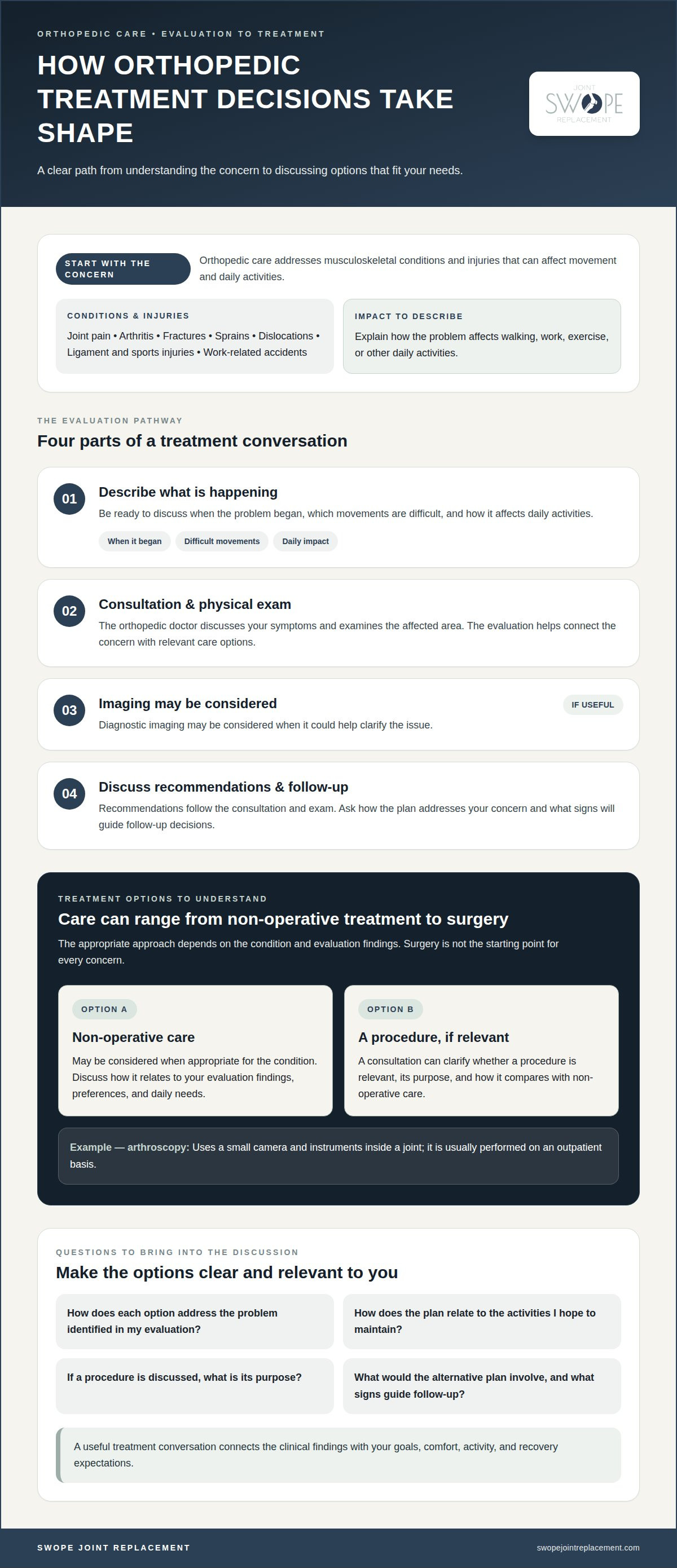
Orthopedic treatment can range from non-operative care to surgery. The recommended approach depends on an assessment of your concern, physical findings, and whether imaging may help.
Treatment Recommendations and Consultations
An orthopedic consultation gives the doctor a chance to understand your symptoms and examine the affected area. Be ready to discuss when the problem began, which movements are difficult, and how it affects daily activities. Recommendations follow a consultation and physical exam; diagnostic imaging may be considered when it could clarify the issue.
Look for a clear explanation of treatment options and how each relates to your goals. A joint problem that limits walking, for example, may prompt a different discussion than an injury affecting a specific movement. Bring questions about comfort, activity, and recovery expectations. A useful conversation connects the clinical findings with the decisions you need to make.
Orthopedic care can include non-operative treatment when appropriate for the condition. Your preferences and daily needs matter as the specialist explains the available options. Ask how the proposed plan addresses the problem and what signs will guide follow-up decisions.
Orthopedic Procedures
Orthopedic procedures address problems involving joints, bones, and other parts of the musculoskeletal system. The appropriate procedure depends on the condition and evaluation findings. Arthroscopy, which uses a small camera and instruments inside a joint, is usually performed on an outpatient basis.
Surgery is one part of orthopedic treatment, not the starting point for every concern. A consultation helps establish whether a procedure is relevant, what it is intended to address, and how it compares with non-operative care. Ask the specialist to explain the purpose in plain language so you can weigh the options with confidence.
Treatment planning should connect the diagnosis, the options, and your priorities. For example, you may want to understand how a proposed approach relates to a particular movement or daily activity. A focused discussion can clarify the next decision without rushing you toward a procedure. If non-operative care is the suitable direction, explore non-operative treatment options as part of that conversation.
As part of the treatment discussion, non-operative care can be considered alongside a proposed procedure. Ask how each option relates to your evaluation findings, the activities you hope to maintain, and your preferences. If a procedure is discussed, clarify its purpose and what the alternative plan would involve. This can help you understand your choices without assuming surgery is necessary.
Swope Joint Replacement providers recommend treatment after an initial consultation, physical exam, and possible diagnostic imaging. Use that discussion to ask what the evaluation indicates, how the recommendation addresses your concern, and what information may affect the plan. You can also ask how progress will be reviewed and what signs would prompt a follow-up conversation. A clear explanation of the options gives you a basis for considering the next step in light of your needs.
Orthopedic specialties and conditions treated
Orthopedic care addresses the musculoskeletal system, including bones, joints, muscles, and supporting ligaments. In Overland Park, common reasons to seek an assessment include pain, injury, or reduced movement. Describe the affected area and how symptoms change during daily activities.
Joint problems can involve arthritis or discomfort that limits movement. Knee pain during walking, for example, raises different questions than a shoulder injury affecting arm movement. The location of pain, activities that bring it on, and its effect on your routine help the physician understand what needs attention and focus the evaluation.
Injuries bring distinct concerns. A sprain, ligament injury, or dislocation can affect how a joint moves and feels. Sports injuries may happen during activity, while work-related accidents can interfere with specific job tasks. Explain what happened and which movements changed so the specialist can consider the injury alongside your symptoms.
Bone concerns: Fractures require attention to the injured area and its effect on movement.
Joint concerns: Arthritis pain and limited motion can affect walking or other everyday activities.
Soft-tissue injuries: Sprains and ligament injuries may follow sports or other physical activity.
Accident-related concerns: Work-related injuries can affect the movements needed for particular tasks.
These categories can overlap. A sports injury may involve a joint and its supporting ligament, while arthritis may occur alongside reduced movement. Describe each concern separately: which area hurts, what activity is difficult, and whether an injury or accident came before the problem.
Orthopedic specialists assess the specific problem rather than treating every ache as the same condition. A fracture, sprain, and joint pain that limits movement each call for attention to different symptoms and physical findings. The consultation and examination connect those details with a treatment discussion. Diagnostic imaging may also be considered.
For a clinic visit in Kansas, explain precisely how the condition affects you. Note whether knee pain limits walking or a ligament injury changes a sport-related movement. This does not diagnose the problem, but helps the physician understand your experience and focus the discussion on your needs. Orthopedic care covers bone, joint, and muscle concerns, from injuries to persistent movement difficulties.
Appointments and patient resources
Prepare for your appointment by describing the concern clearly. Note the affected area, symptoms you want addressed, and how they affect everyday activities. For example, explain whether arthritis pain makes walking difficult or a ligament injury limits a particular movement. These details help keep the visit focused.
Referral requirements vary by appointment and insurance plan, so there isn’t one rule for every Overland Park practice. If your plan requires a referral, arrange for that information to accompany your appointment details. This helps the office understand the purpose of the visit and any plan requirements.
Relevant records can give the physician context about previous care. Bring or arrange access to visit notes, imaging reports, and details of treatments you’ve already received. Include a current medication list and information about earlier injuries affecting the same area. For a ligament concern, prior notes may describe the injury and care to date, supporting a more informed conversation.
Before arranging care, understand the practice’s payment arrangements. Swope Joint Replacement is out of network with all insurance carriers by design so it can place patient care first. Office visits and in-office procedures have transparent cash pricing. Hospital and accredited surgical center procedures are billed out of network; under the No Surprises Act, insurers must apply the same deductible and cost-sharing structure as in-network when out-of-network benefits exist.
A simple preparation list can help you organize the visit:
Describe the concern: Identify the affected area and the movement or activity that is difficult.
Gather records: Collect relevant visit notes, imaging reports, and prior treatment information.
Prepare medication details: Bring a current list to support an accurate discussion.
Review plan requirements: Have insurance information and any required referral details ready.
Write down questions: Include concerns about arthritis, a ligament injury, or other symptoms.
During the appointment, explain what changed and what you hope to address. If you have knee discomfort, describe which activities bring on symptoms and how your movement has changed. The physician can consider that history alongside the examination to discuss next steps. Clear questions also help you understand the options and follow-up.
Patient resources are most useful when they connect practical details with the reason for care. Keep appointment information, relevant records, and insurance details together. If symptoms involve more than one area, note each concern separately. That gives the medical team a clearer account to discuss and helps you leave with a better understanding of the plan.
Imaging, injections, and joint replacement
Imaging can help clarify an orthopedic concern after a consultation and physical exam. A doctor may consider it when findings suggest more information is needed. For example, a suspected fracture after a fall raises different questions than ongoing joint pain. Symptoms, examination findings, and the question being investigated shape the next step.
Bring prior imaging reports or records if they relate to the same joint or injury. The orthopedic team can use this context during the evaluation. Ask what the imaging is intended to clarify and how its findings could affect treatment choices. A scan is one part of the evaluation, not an answer by itself.
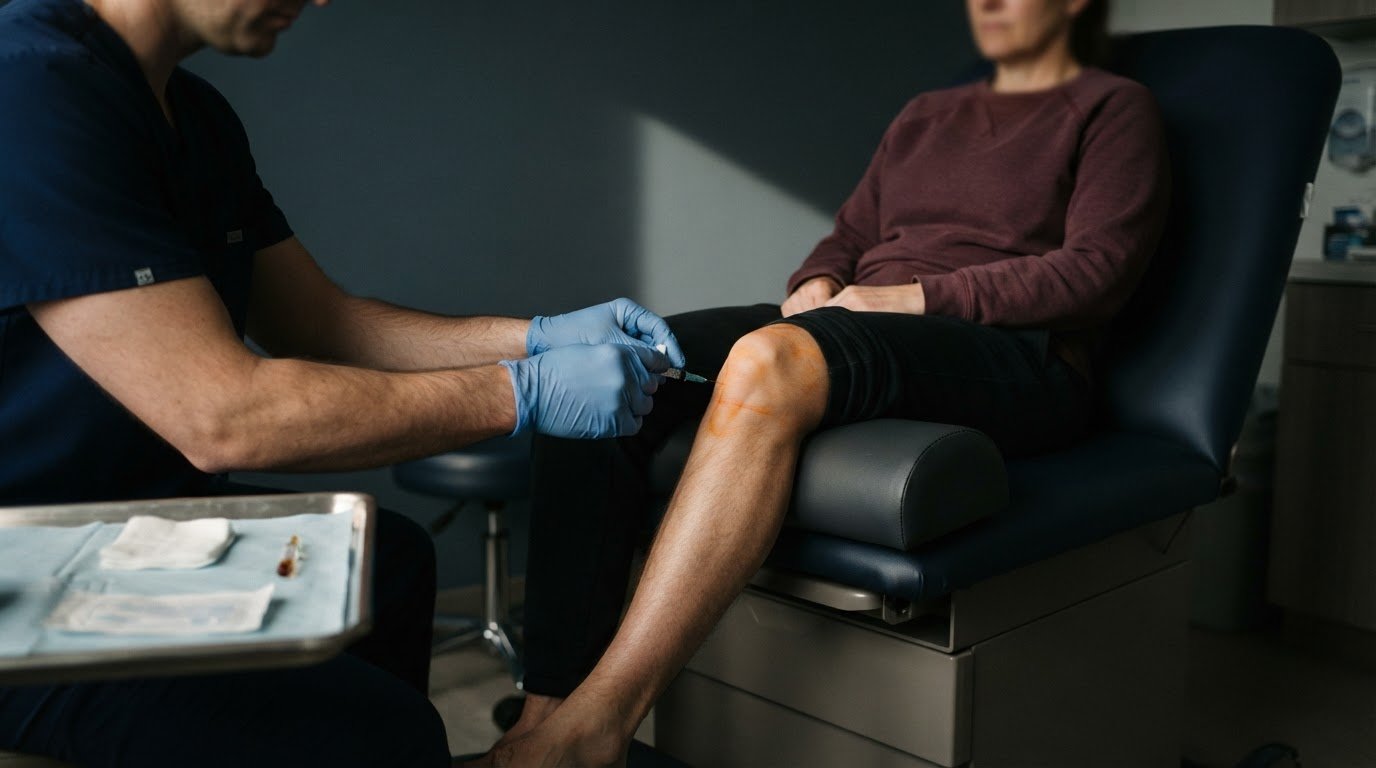
Injections may come up during a treatment conversation, but the reason for considering one should be clear. Ask what problem it is meant to address, how it fits the overall plan, and what other options are under consideration. Your symptoms, examination, and goals frame the discussion. An injection should not replace an evaluation or a broader care plan.
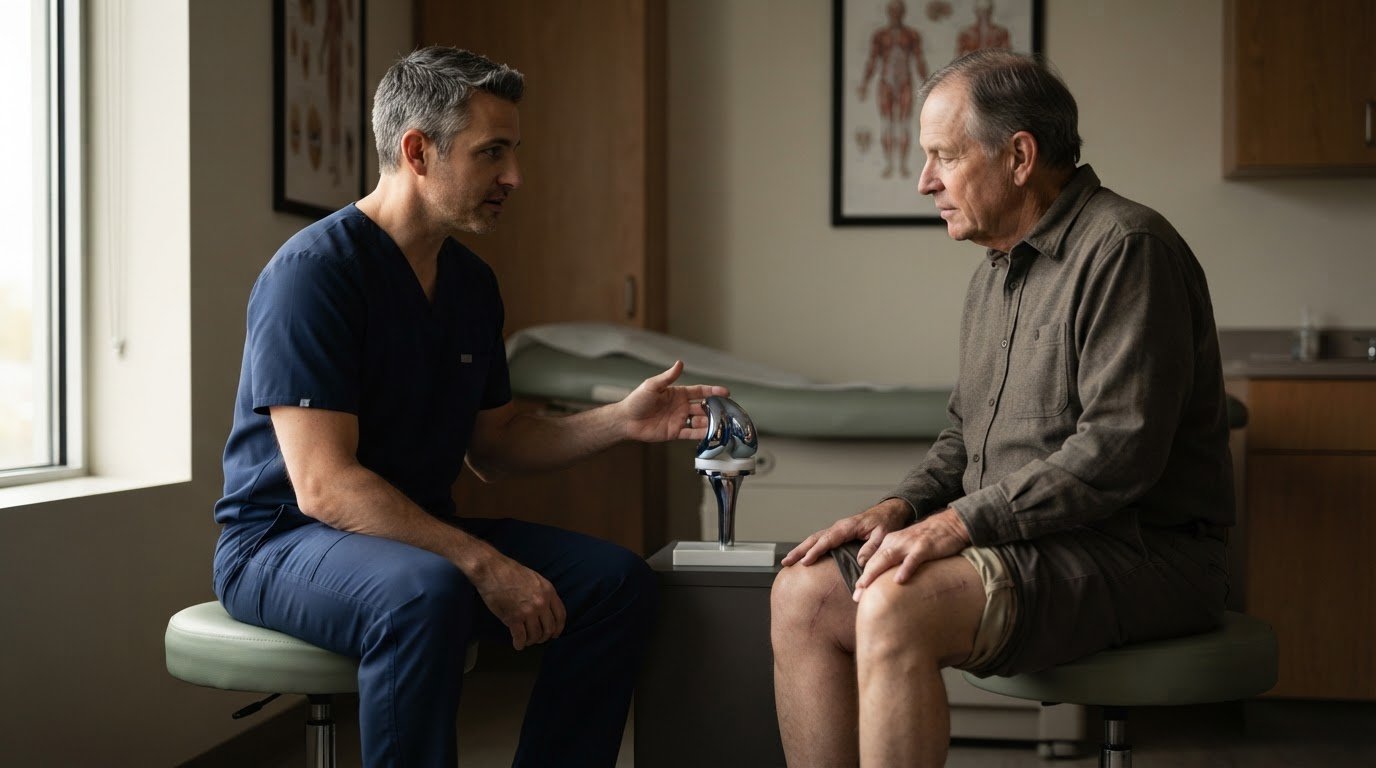
Joint replacement may be considered for some people with significant joint problems. The discussion should explain the condition being addressed, the proposed procedure, and how it relates to your needs. Knee Replacement and Direct Anterior Hip Replacement treat different joints. A discussion with an orthopedic surgeon can help you understand which procedure is relevant to your diagnosis.
Previous joint surgery can raise different questions. Revision Hip Replacement and Revision Knee Replacement address problems after an earlier replacement, rather than an initial replacement. Share details about the previous procedure and current concerns, such as pain or limited movement, to help focus the discussion on the joint and possible next steps.
For a sports injury or fracture, Trauma & Fracture Care addresses orthopedic trauma concerns. The immediate issue may be pain or injury, while later decisions may involve joint function and treatment needs. An assessment connects the injury with the appropriate care discussion. Symptoms such as chest pain or shortness of breath require a different response.
Before deciding, ask the surgeon to explain the purpose of each recommended step. A useful discussion distinguishes imaging, an injection conversation, and surgery instead of treating them as interchangeable. If joint replacement is being considered, explore joint replacement care and review how the procedure relates to your affected joint and prior treatment.
Swope Joint Replacement
Swope Joint Replacement provides focused orthopedic care for people considering joint surgery or seeking help after a previous replacement. Its services include Direct Anterior Hip Replacement, Knee Replacement, Revision Hip Replacement, and Revision Knee Replacement. The right discussion depends on the joint involved, your symptoms, and whether you’ve had previous surgery.
If you’re weighing joint replacement, a consultation can connect your concerns with the relevant procedure and clarify your treatment options. For a previous hip or knee replacement, revision care offers a focused way to discuss the joint and your current needs. You’ll have direct access to the surgeon and time to understand the approach and consider your next step.
Take the Next Step Toward Joint Care
Choosing a private orthopedic practice in Overland Park, KS is a personal decision. Consider what matters most to you, including the treatment discussion, your priorities, and the questions you want answered. A thoughtful next step helps you understand your options without feeling rushed.
Swope Joint Replacement offers Direct Anterior Hip Replacement, Knee Replacement, Revision Hip Replacement, and Revision Knee Replacement. If one of these relates to your joint concerns or previous surgery, a consultation can help you explore the relevant care and decide what to discuss next.
When considering a private orthopedic practice in Overland Park, KS, bring questions about your symptoms, past treatment, and movement goals. A clear discussion can help you understand your care options and decide what to address next.
Contact Swope Joint Replacement to begin a conversation about your joint care. Take the next step at a pace that feels right for you.
Frequently Asked Questions
Looking for a location?
Orthopedic appointments are available in the Overland Park and Lenexa area, with care also serving the greater Kansas City region. Swope Joint Replacement serves patients in Overland Park, Kansas City, Olathe, Lee’s Summit, Lenexa, Leawood, Blue Springs, and Independence. If you’re planning a visit, use the appointment details for directions and the scheduled time, especially if you’re traveling from another part of the metro area.
Which orthopedic specialties and conditions do Overland Park practices treat?
Orthopedic practices address conditions affecting bones, joints, and soft tissues. Care can include joint replacement, revision surgery, fracture treatment, and non-operative options. Other concerns include shoulder impingement, rotator cuff tears, carpal tunnel syndrome, tennis elbow, trigger finger, meniscus tears, and Achilles tendon injuries. The relevant specialty depends on the affected area and symptoms. Ongoing shoulder pain, for instance, calls for a different evaluation than a hip fracture.
Which orthopedic surgeons in Overland Park are board-certified, and what are their specialties?
Dr. Ryan W. Swope, DO, FAAOS, is a board-certified orthopaedic surgeon serving Overland Park and the greater Kansas City area. His specialty is adult reconstruction, with care focused on hip and knee replacement and complex revision procedures. He completed fellowship training in adult reconstruction at the University of Pittsburgh Medical Center. His practice also addresses general orthopaedic concerns and fractures, providing a route for discussing related needs.
What are the locations, hours, and contact details of Overland Park orthopedic practices?
Overland Park and Lenexa have orthopedic clinic locations, while appointment hours depend on the practice and scheduled visit. The Overland Park orthopedic clinic fax number is 913-901-0186. Keep the appointment confirmation available for the office address and visit time. Swope Joint Replacement serves the Kansas City area and offers transparent cash pricing for office visits and in-office procedures. It is out of network with all insurance carriers by design.
How can an orthopedic specialist in Overland Park help patients prepare for an appointment?
An orthopedic specialist can focus the visit on your main concern and the decisions you need to make. Before the appointment, consider which activity is most affected and what you hope to regain, such as comfortable walking or returning to a sport. Bring relevant imaging reports and a concise account of previous treatment. This context helps the physician connect your goals with the examination and discuss appropriate next steps.
Comments