Non operative musculoskeletal care in Overland Park

Hip pain doesn’t automatically mean surgery. Non-operative musculoskeletal care in Overland Park may include personalized rehabilitation planning, medication management, or joint injections to help manage hip pain, knee osteoarthritis, and other musculoskeletal conditions. The right approach depends on the cause of your symptoms and how they affect daily life.
It’s understandable to want relief without undergoing a major procedure. Non-surgical care can focus on managing pain, supporting movement, and helping you stay active while you consider your options.
Here, you’ll learn what rehabilitation planning, medication, and injection treatment may involve, how non-surgical care can address knee osteoarthritis, and what shapes a treatment plan. You’ll also find guidance on when a surgical opinion may be part of the conversation, so you can make decisions with clarity and at a pace that feels right for you.
Table of Contents
What Conditions Does an Orthopedic Clinic Treat?
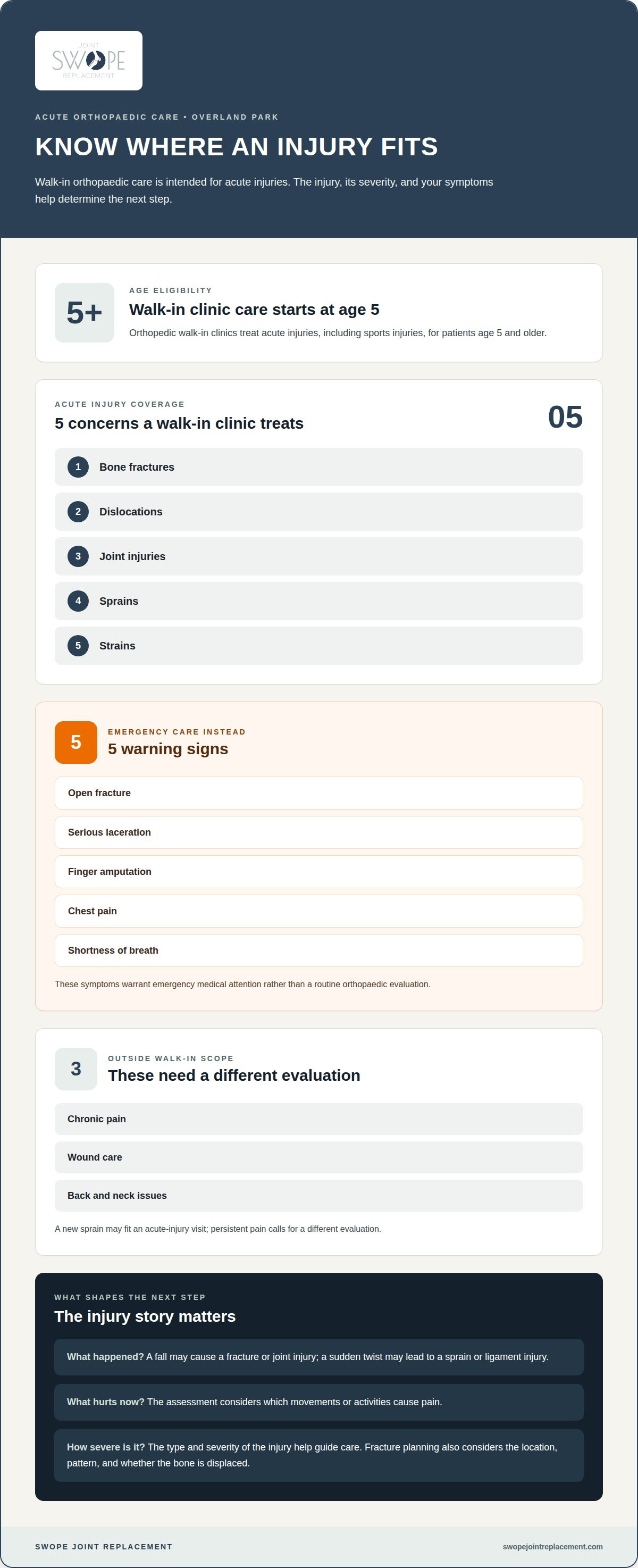
Orthopaedic care addresses problems affecting bones, joints, muscles, and ligaments. Common concerns include fractures, sprains, dislocations, ligament injuries, and arthritis pain. Sports injuries can affect athletes and people exercising for general fitness. For example, a knee injury during a game may involve a sprain, while ongoing knee pain may be associated with arthritis.
For an acute injury, the assessment starts with what happened and which movements or activities now cause pain. A fall may lead to a fracture or joint injury; a sudden twist may cause a sprain or ligament injury. Orthopedic walk-in clinics treat acute injuries, including sports injuries, for patients age 5 and older. The type and severity of the injury help shape the next steps.
Some warning signs call for emergency care rather than a routine orthopaedic appointment. Go directly to an emergency department for an open fracture, a serious laceration, or a finger amputation. Chest pain or shortness of breath also warrants emergency medical attention, not a routine orthopaedic evaluation.
Walk-in care has limits. Orthopedic walk-in clinics don’t treat chronic pain, wound care, or back and neck issues. A new sprain may fit an acute-injury visit, while persistent pain needs a different evaluation. Knowing that distinction helps you seek care suited to the problem instead of treating every ache as a walk-in injury.
For arthritis pain, non-operative care may focus on managing symptoms and preserving useful movement. A clinician can consider the joint involved, how pain affects daily activities, and which movements have become difficult. Options for musculoskeletal pain can include activity modification, personalized rehabilitation planning, medication management, or joint injections. The appropriate combination depends on the condition being treated.
Fracture care depends on the injury’s location and pattern. An evaluation considers whether the bone is displaced and how severe the injury appears. When non-operative care is appropriate, the plan focuses on protecting the injured area and monitoring recovery. Severe fractures, bone displacement, or soft-tissue tears that don’t respond to conservative treatment may require surgery.
Patient-centered planning connects the diagnosis to your priorities. A clinician considers the injury, your symptoms, and the activities you want to return to, such as walking comfortably or resuming sports. For arthritis, that means discussing daily limitations; for a fracture, it means considering the injury’s characteristics and treatment options. These details help distinguish routine non-operative care from problems that need another level of attention.
The orthopedic walk-in clinic treats bone fractures, dislocations, joint injuries, sprains, and strains, covering a range of acute musculoskeletal concerns.
Guided physical therapy and strengthening
Personalized rehabilitation planning connects a diagnosis to the movements you need for daily function. After an orthopaedic assessment, your plan can focus on strength, flexibility, balance, or movement control. For example, knee pain may make stairs difficult, while a shoulder injury may limit reaching. Exercises can address the specific motions affected rather than following one routine for every patient.
Referral needs depend on the clinic’s intake process and your insurance plan, not the diagnosis alone. Physical therapy may follow an orthopedic evaluation, or a referring clinician may initiate the therapy plan. A referral can communicate the condition being treated and the goals identified for rehabilitation.
A physical medicine and rehabilitation approach considers how pain or injury affects function. The plan may combine guided exercise with practical changes to activity. For a sports injury, rehabilitation can support healing and a gradual return to exercise. Your therapist can adjust movements as your tolerance and abilities change, keeping the work connected to your everyday goals.
Physical therapy and occupational therapy address different needs. Physical therapy often emphasizes mobility, strength, and movement. Occupational therapy focuses on tasks and activities, such as dressing, reaching for household items, or managing work demands. When an injury makes a specific task difficult, identifying that task helps shape useful therapy goals.
A guided strengthening plan should match the affected area and your current ability. Your clinician can assess how you move, then recommend exercises that target the relevant muscles and joints. As strength and control improve, exercises can progress carefully. Increasing activity gradually and avoiding overexertion can help reduce the chance of sports injuries.
Recovery also involves pacing. For sports or exercise-related injuries, rehabilitation can support a return to activity, but pushing through pain or fatigue can undermine that process. Warm-ups and cool-downs help stretch muscles and improve flexibility. Rest breaks give you a chance to respond to your body’s signals before adding more activity.
Progress is measured by useful changes, not exercise volume alone. A patient working on knee function might track comfort on stairs; someone with a shoulder injury might focus on reaching overhead. These practical goals help the therapist refine the plan. If symptoms limit movement, individualized orthopedic care can help connect treatment choices with the condition affecting you.
Treatment choices may differ by the injury and the care being considered. The clinic offers treatment options for shoulder injuries that include physical therapy, pain injections, and surgery. The surgery comparison lists physical therapy after surgery as lasting 3 to 6 months. A Core Medical Center patient reported that knee pain improved by at least 50% after starting physical therapy and injections.
Is non-surgical treatment realistic for a bone-on-bone knee in Overland Park?
It can be worth discussing non-surgical care for a bone-on-bone knee. Knee osteoarthritis involves gradual wearing away of the cartilage cushioning the joint. An evaluation can connect that diagnosis with your pain, movement, and daily activities. Medication management, personalized rehabilitation planning, and joint injections are options to discuss for managing symptoms and supporting function. They don’t promise to restore worn cartilage or remove the diagnosis.
The Overland Park orthopedic walk-in clinic is at 7127 W 95th Street, Overland Park, Kansas 66212. Same-day orthopedic urgent care is also available in Lenexa, giving Kansas City-area patients locations in both communities for acute orthopedic injuries. Walk-in injury care and an evaluation for ongoing knee osteoarthritis are different needs, so describe whether your concern is a new injury or persistent joint pain.
The clinic lists Monday hours as 5:30PM-8PM and Thursday hours as 9AM-5PM. It is closed Friday and Sunday, and it operates year-round except on holidays observed by the health system. These details help with planning, but don’t establish hours for days not listed here.
When comparing local care, consider whether the practice evaluates arthritis as well as acute injuries, which orthopaedic concerns it treats, and what patient reviews say about communication and follow-through. For knee symptoms, note whether the evaluation considers pain, mobility, and activities such as walking or using stairs, rather than treating an imaging label as the whole picture.
For non-operative musculoskeletal care in Overland Park, start by requesting an orthopedic evaluation and describing the knee symptoms and activities they affect. The orthopedic walk-in clinic in Overland Park and the Lenexa location provide same-day care for acute orthopedic injuries; persistent knee symptoms call for an evaluation suited to arthritis care.
A bone-on-bone description alone doesn’t explain how much pain you experience or which movements are limited. Discuss what you want to preserve, such as comfortable walking, household tasks, or exercise. An evaluation can address how symptoms affect those priorities and whether non-surgical options fit your situation. If pain remains difficult to manage, ask how the next treatment steps relate to your goals.
Dr. Paras Shah is identified as having more than 20 years of experience in the medical field. When reviewing provider information, consider the clinician’s orthopedic focus alongside the condition being evaluated. A shoulder injury, a new fracture, and chronic knee arthritis call for different clinical discussions. Reviews can add context about patient experience, but the most useful comparison is whether the clinic addresses the problem you need evaluated.
Pain management with oral medicine and injection therapy
Pain management starts by identifying the affected area and what triggers symptoms. A recent sprain after sports activity differs from chronic hip or knee pain. That distinction helps an orthopaedic specialist consider an approach suited to the condition, rather than treating every painful joint alike. Non-surgical options can include activity modification, personalized rehabilitation planning, medication management, and joint injections.
Medication management is one possible part of a conservative plan. Anti-inflammatory medication may be considered for sports injuries alongside rest, ice, compression, elevation, and activity changes. The choice depends on the problem being treated and your health history. Share the medicines you already take and describe when pain occurs, such as during walking or after exercise.
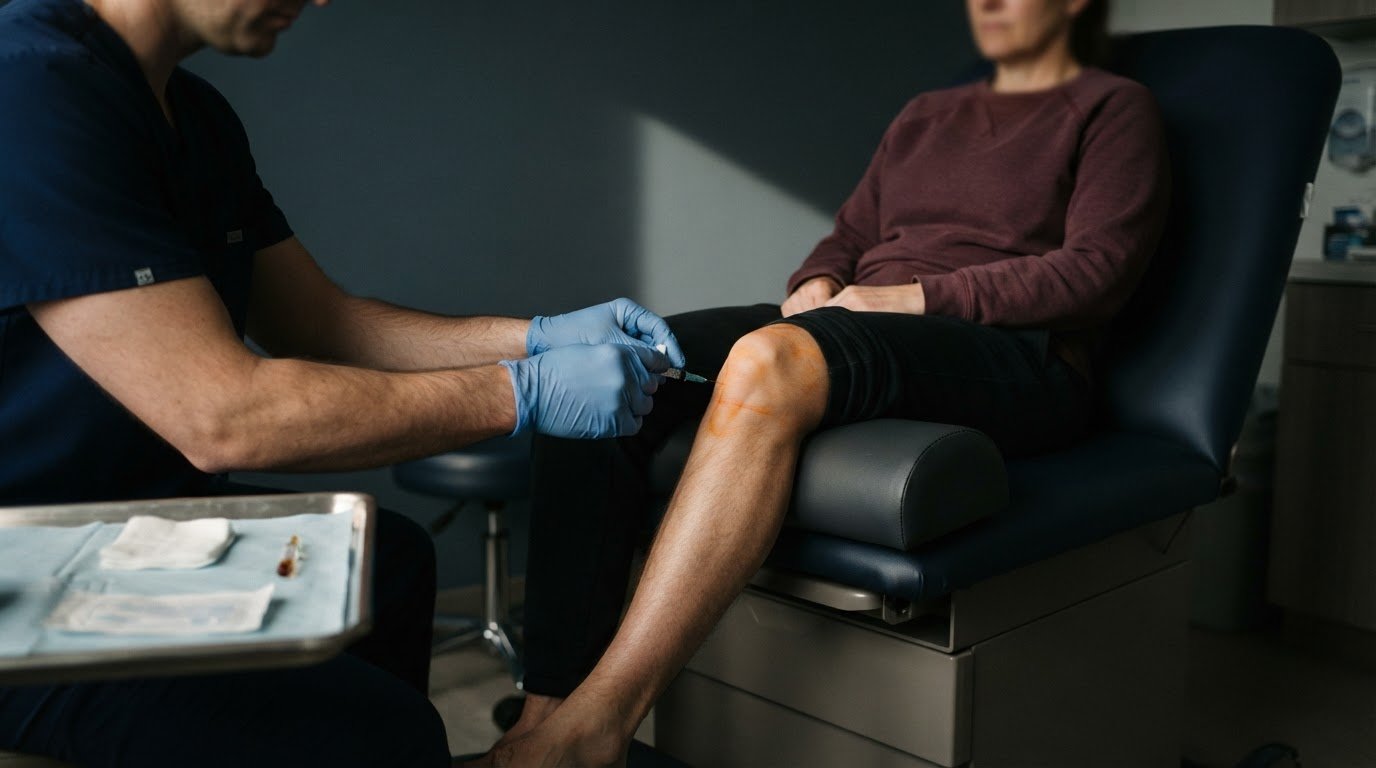
An injection is another option to discuss for certain pain concerns. Joint injections may be included among conservative treatments for musculoskeletal conditions. An evaluation helps connect a proposed injection with the affected joint, your symptoms, and your treatment goal. For example, a clinician can discuss whether an injection fits a knee complaint or whether another approach better addresses your symptoms.
Hip and knee pain can interfere with different activities. Hip discomfort may affect walking or getting up from a chair; knee pain may make stairs difficult. For either area, a non-operative plan can include movement guidance, activity changes, medication management, or injection therapy. The aim is to address pain while considering the function you want to maintain. No single option replaces a careful assessment of the underlying condition.
Spine pain needs its own evaluation. Back or neck pain should not be assumed to have the same cause or treatment as a sprain or arthritic knee. Describe where symptoms occur, what movements affect them, and whether the problem is new or chronic. Those details help a specialist determine which clinical discussion is appropriate, without treating spine pain as a joint-injection question.
Before an appointment, note where you feel pain, which activities worsen it, and what treatments you have tried. Include current medicines and any rehabilitation or prior injections. For a sports-related sprain, explain how the injury happened and which movements remain difficult. This gives the clinician practical context for weighing non-surgical options and discussing their role in your treatment plan.
Medication and injections are tools, not stand-alone answers. A plan can also address activity and rehabilitation, especially when pain limits movement. If symptoms continue to disrupt walking, exercise, or daily tasks, an orthopaedic evaluation can clarify the next step. The discussion should connect treatment choices to your symptoms, the affected area, and your goals.
Non-surgical knee osteoarthritis care
Knee osteoarthritis involves the gradual wearing away of cartilage that cushions the joint. This can affect how your knee feels during ordinary movements, including walking, standing, or climbing stairs. A useful evaluation connects your symptoms with the activities you want to maintain. Describe where discomfort occurs, what movements bring it on, and how it affects your daily routine.
Begin with specific examples, not just a general description of pain. Note whether discomfort appears after a walk, while rising from a chair, or during household tasks. Share whether symptoms change with activity or rest. These details give your clinician a clearer picture of how knee pain affects function and which treatment goals matter most to you.
A non-surgical plan may include personalized rehabilitation planning, activity modification, medication management, or injections. These options address different aspects of care, so the discussion should connect each one to your symptoms and priorities. For example, rehabilitation may focus on movements that feel difficult, while activity changes can help you adapt tasks that aggravate the knee. The plan should be specific to your situation.
Ask how progress will be assessed. You might track whether walking, climbing stairs, or getting out of a chair becomes easier. Your clinician can use those examples to discuss whether the approach is meeting your goals or needs adjustment. If treatment doesn’t address the limitations you experience, explain what remains difficult rather than judging progress only by pain at rest.
Knee osteoarthritis is different from a new fracture, ligament injury, or other sports injury. A sudden injury and gradual joint symptoms call for separate clinical assessments. If a new injury creates an urgent concern, explain how it happened and what changed. Don’t assume longstanding arthritis explains every new symptom in the same knee.
Non-surgical care focuses on managing symptoms and supporting function; it doesn’t replace cartilage that has worn away. Keep your priorities clear, whether that means walking more comfortably or managing stairs. A careful conversation can clarify when continued non-operative treatment remains appropriate and when it makes sense to discuss other options.
For a focused discussion of your knee symptoms and treatment goals, discuss individualized knee care. Bring examples of the activities affected and the approaches you’ve already tried. That context helps make the conversation practical, whether you’re considering therapy, medicine, or injection treatment.
Swope Joint Replacement: Non-Operative Treatment Options
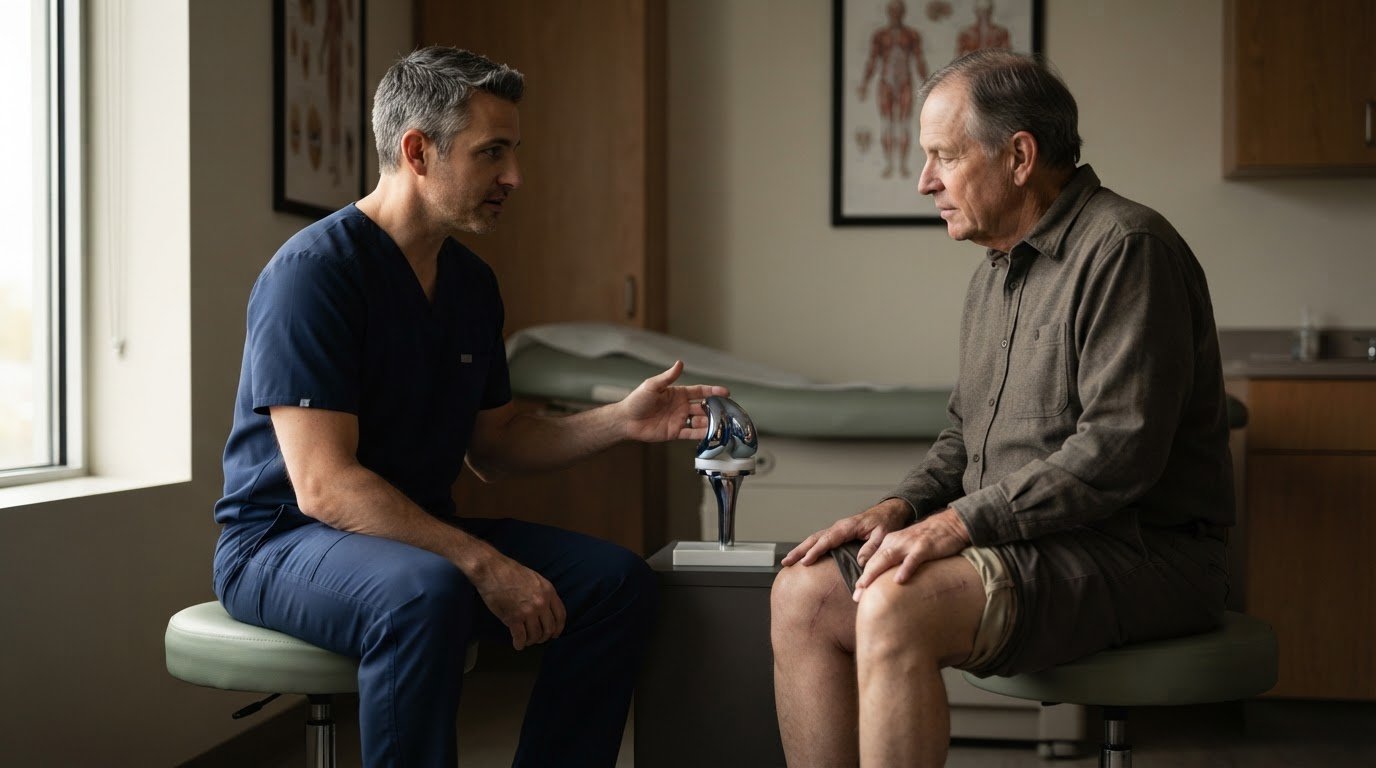
Swope Joint Replacement offers non-operative treatment options for musculoskeletal pain, including hip and knee concerns. An unhurried evaluation with Dr. Ryan W. Swope can connect your symptoms and movement with your daily priorities. If hip or knee pain continues to limit you, the discussion can also clarify when Direct Anterior Hip Replacement or Knee Replacement may be relevant.
You remain part of the decision-making process. Discuss which activities matter to you, what treatments you’ve tried, and what still feels difficult. That context supports a clear discussion of options without assuming surgery is the next step.
To discuss your musculoskeletal symptoms and treatment options, contact Swope Joint Replacement.
Choose a Clear Next Step for Your Joint Health
For non-operative musculoskeletal care in Overland Park, bring your priorities into the treatment conversation. What movement do you want to make easier? Which activities matter most in daily life? Clear answers can help shape a plan around your needs and keep you involved in decisions about your care.
If hip or knee symptoms lead you to consider surgery, Swope Joint Replacement offers Direct Anterior Hip Replacement, Knee Replacement, and Revision Hip Replacement. Discussing these options does not mean you must choose surgery. It gives you space to understand possible next steps alongside non-operative care.
Contact Swope Joint Replacement to discuss your symptoms and treatment options. A thoughtful conversation can help you move forward with greater clarity and confidence.
Frequently Asked Questions
Can Hip Pain Be Treated Without Surgery?
Yes. Hip pain may be managed with non-operative care, depending on its cause and effect on movement. An evaluation can consider medication management, joint injections, and personalized rehabilitation planning. For example, if getting into a car or walking across a parking lot is difficult, describe that limitation and when pain appears. Those details help frame treatment options before discussing whether surgery belongs in the conversation.
What conditions do Overland Park musculoskeletal clinics treat without surgery?
Non-operative musculoskeletal care in Overland Park can address arthritis, sprains, and joint pain. Orthopaedic evaluations may also cover shoulder pain or impingement, rotator cuff tears, meniscus tears, tennis elbow, trigger finger, and Achilles tendon injuries. For a shoulder concern, explain which movements cause difficulty, such as reaching overhead. That gives the evaluation a practical starting point and helps clarify the activity limits you’re experiencing.
Which non-surgical treatments are offered, such as physical therapy, injections, or medications?
Non-operative options include medication management, joint injections, and personalized rehabilitation planning. A treatment discussion can connect each option to your symptoms and goals, such as improving comfortable movement after a sprain. Office visits and in-office procedures have transparent cash pricing. Swope Joint Replacement is out of network with all insurance carriers by design, so consider that payment structure as you plan an appointment.
Which Overland Park providers specialize in non-operative orthopedic or sports medicine care?
Dr. Ryan W. Swope, DO, FAAOS, is a board-certified orthopaedic surgeon, fellowship-trained in adult reconstruction, with more than 20 years of orthopaedic experience. Swope Joint Replacement provides non-operative musculoskeletal care for patients in Overland Park and the greater Kansas City area, including Olathe, Lee’s Summit, Lenexa, Leawood, Blue Springs, and Independence. Its care includes arthritis management, sprains, and joint injections.
How can I schedule a non-operative musculoskeletal evaluation in Overland Park?
Request an orthopaedic evaluation and describe your symptoms and the daily activities they affect. Persistent knee pain needs an evaluation suited to arthritis care, rather than an acute-injury walk-in visit.
Comments